Blog

Your blog category

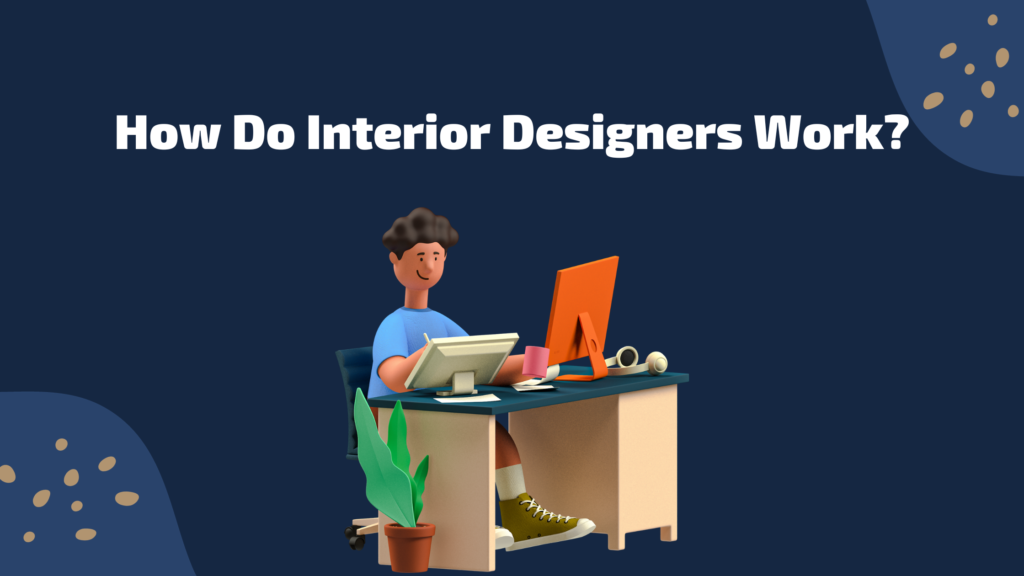
How Do Interior Designers Work?

How Do Interior Designers Work?

Unlocking the Art of Interior Design: A Behind-the-Scenes Look at How Interior Designers Work When you walk into a beautifully designed space, do you ever wonder how it all came together? Interior designers are the creative minds and problem solvers behind these visually stunning and functional interiors. In this blog, we’ll take you on a journey through the fascinating world of interior design, shedding light on how interior designers work their magic. The Creative Spark: Interior design projects typically begin with a spark of inspiration. Clients may approach interior designers with a vision or a problem they need to solve. This spark sets the stage for the entire design process. The Initial Consultation: The first step for an interior designer is to sit down with the client for an initial consultation. This meeting serves as a discovery session, where the designer gets to know the client’s needs, preferences, and budget. It’s a crucial moment where trust is established, and the designer starts to build a clear picture of the project. Space Assessment: After the initial consultation, the interior designer conducts a thorough assessment of the space to be designed. This involves measuring dimensions, examining architectural details, and noting any existing structural or functional issues. Understanding the space’s constraints is essential for crafting a functional and aesthetically pleasing design. Concept Development: With insights from the client and a deep understanding of the space, the interior designer begins crafting a design concept. This concept serves as the blueprint for the entire project, encompassing ideas for color schemes, materials, furniture styles, and overall aesthetics. Mood boards, sketches, and digital renderings are often used to help the client visualize the proposed design. Budget Planning: One of the most critical aspects of interior design is budget planning. The designer collaborates closely with the client to establish a budget that aligns with the project’s scope and goals. This involves considering costs for materials, furnishings, labor, and any additional expenses like permits or contractors. Design Development: Once the concept is approved and the budget is set, the interior designer dives into design development. This phase includes selecting specific materials, furniture, lighting, fixtures, and accessories that align with the concept and budget. The goal is to create a cohesive and harmonious design that reflects the client’s taste and lifestyle. Space Planning: Effective space planning is a hallmark of successful interior design. Designers create detailed floor plans and layouts to optimize the functionality of the space. They ensure that furniture and fixtures are arranged in a way that maximizes flow and usability while maintaining a pleasing aesthetic. Procurement: Interior designers take on the role of procurement specialists. They source and purchase materials, furniture, and decor items on behalf of the client. Often, designers have established relationships with suppliers and can negotiate prices to stay within the allocated budget. Coordination: Coordinating with contractors, architects, and other professionals is crucial to ensure that the design vision is executed correctly and on schedule. Interior designers act as project managers, overseeing construction or renovation work to ensure that it aligns with the design plan. Installation: When all the design elements are ready, it’s time for installation. Interior designers oversee the placement of furniture and fixtures, ensuring that every detail is carefully executed. They also take on the role of stylists, arranging decor items to achieve the desired look and atmosphere. Final Reveal: The moment of truth arrives when the interior designer presents the completed space to the client. It’s a thrilling experience as clients get to see their vision come to life. Any final adjustments or tweaks are made as necessary to ensure the client’s satisfaction. Project Closure: Once the project is finalized, the interior designer takes care of all the administrative tasks, settling bills and invoices. They may also provide the client with maintenance and care instructions for the newly designed space. In essence, interior designers are masterful storytellers who bring a client’s vision to life through their creative expertise. They combine artistic flair with technical knowledge, problem-solving skills, and a deep understanding of human psychology to craft spaces that are not just visually stunning but also highly functional. The next time you step into a thoughtfully designed space, you’ll have a newfound appreciation for the meticulous work that goes on behind the scenes to make it all happen.

How Do Interior Designers Work? Read More »
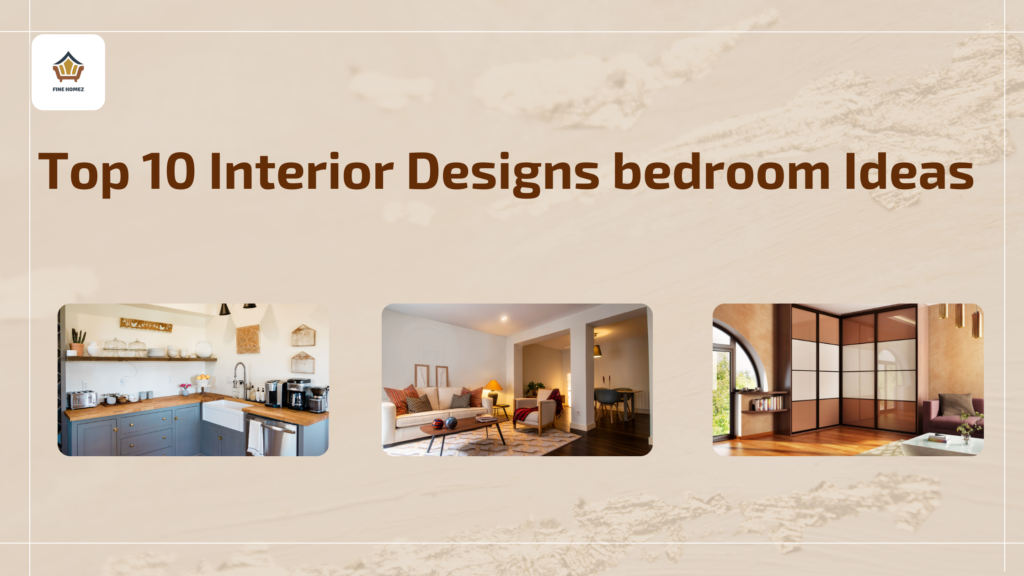
Top 10 Interior Design Bedroom Ideas by finehomez

Top ten interior design bedroom ideas

Top Ten Bedroom Interior Design Ideas Interior design for a bedroom involves creating a comfortable and visually appealing space that reflects your personal style. Consider elements such as color schemes, furniture arrangement, lighting, textiles, and decor to achieve a balanced and cozy atmosphere. Your bedroom’s design should promote relaxation and restfulness while incorporating practicality and functionality. A well-designed bedroom can have several benefits, such as creating a comfortable and relaxing environment, promoting better sleep, reflecting your personal style, maximizing space efficiency, and enhancing overall well-being. Proper interior design can also help reduce clutter, improve organization, and contribute to a more visually appealing and aesthetically pleasing space. Sure, here are 10 interior design bedroom ideas to consider: Minimalist Elegance: Keep it simple with clean lines, neutral colors, and functional furniture. Minimalist Elegance Interior Design: Minimalist elegance interior design embodies a refined and understated aesthetic, with a focus on simplicity and functionality. It revolves around clean lines, a neutral color palette, and high-quality materials like natural wood and marble. Each element in the room is thoughtfully selected to maximize space and minimize clutter, resulting in an uncluttered and serene atmosphere. Furniture in this style is chosen for its functionality and elegant design, often serving multiple purposes to optimize space. Decorative elements are kept to a minimum, with a single focal point, such as a piece of art, drawing attention without overwhelming the space. Abundant natural light and a strategic use of texture add depth and warmth to the design, making the room inviting and timeless. Ultimately, minimalist elegance design creates a sophisticated living space that prioritizes simplicity, quality, and harmony. It’s a timeless approach that ensures your interior remains stylish and serene for years to come, promoting a sense of calm and balance in your home. 2. Bohemian Vibes Interior Design: Bohemian Vibes interior design is a captivating style that embraces a mix of patterns, colors, and textures to create a free-spirited and eclectic atmosphere. This design draws inspiration from various cultures and eras, blending vintage and globally sourced furnishings to tell a unique story within the space. Rich jewel tones, earthy hues, and vibrant pops of color form a harmonious palette that mirrors nature and diverse cultural influences. The heart of Bohemian Vibes lies in its tactile and textured elements, from Moroccan rugs and embroidered cushions to macramé wall hangings. The style seamlessly combines intricate patterns and bold geometric designs, creating a dynamic and visually engaging environment. Natural elements like houseplants, woven materials, and handcrafted wooden pieces contribute to the grounded and relaxed vibe of the design. Bohemian Vibes encourages an informal and individualistic approach to arranging furniture and decor, fostering an inviting and comfortable atmosphere. Ultimately, this style celebrates creativity, cultural appreciation, and the joy of creating a home that mirrors the adventurous and free-spirited nature of its inhabitants. 3. Scandinavian Chic Interior Design: Scandinavian Chic Interior Design blends the minimalism of traditional Scandinavian design with contemporary elements, crafting a stylish and inviting living space. It retains the clean lines, neutral color palettes, and uncluttered aesthetics typical of Scandinavian design while infusing warmth and coziness through natural materials like wood and stone. This combination creates a harmonious and visually appealing environment. Furniture in Scandinavian Chic design is both sleek and functional, often featuring iconic mid-century modern pieces. The style prioritizes comfort without sacrificing elegance. Texture is another key element, with plush throws, textured cushions, and natural fibers adding depth and tactile interest. The design maximizes natural light, emphasizing large windows and minimal window treatments, and encourages personalization through carefully chosen accents. Sustainability is often a guiding principle in Scandinavian Chic design, with a focus on eco-friendly and durable materials. Geometric patterns are sparingly used to introduce visual intrigue, complementing the overall clean and simple design. Ultimately, Scandinavian Chic Interior Design strikes a harmonious balance between minimalism and sophistication, offering a welcoming and aesthetically pleasing space that radiates comfort and style. 4. Industrial Charm Interior Design: Industrial Charm Interior Design embraces the rugged allure of industrial spaces while infusing warmth and character. It revolves around the use of raw materials like exposed brick, concrete, and metal to create an authentic and rustic ambiance. Vintage and salvaged items are integral, bringing a sense of history and nostalgia. Weathered wood furniture, distressed leather, and reclaimed industrial fixtures contribute to the unique charm of the space. This design style maintains an open and spacious feel with high ceilings and open floor plans reminiscent of industrial warehouses. Metal accents, including exposed ductwork and steel-framed windows, contrast beautifully with the warmth of wood, forming a visually striking combination. While the base color palette leans towards neutrals, pops of vibrant color are introduced through decor elements, preventing the space from feeling overly austere. Industrial lighting, such as pendant lights and Edison bulbs, adds to the style’s industrial aesthetic while providing functional illumination. Eclectic decor mixes vintage, modern, and industrial pieces, creating an eclectic and visually stimulating atmosphere. Overall, Industrial Charm Interior Design successfully balances aesthetics with comfort and functionality, transforming industrial spaces into inviting and artful homes. 5. Coastal Retreat Interior Design: Coastal Retreat Interior Design embodies the essence of coastal living with a serene and inviting aesthetic. Its core features include a soothing color palette inspired by the sea and sandy shores, employing soft blues, aquas, whites, and sandy beige to create an atmosphere of tranquility. Natural materials like light-toned woods, rattan, and seagrass infuse warmth and texture into the design, while nautical elements such as stripes and maritime decor add a touch of seaside charm. Abundant natural light is maximized through large windows and light-colored window treatments, enhancing the bright and airy coastal ambiance. Comfortable and casual furniture, including plush sofas and slipcovered chairs, promotes relaxation and a laid-back lifestyle. Coastal-inspired decor, such as seascapes and beachy accessories, further reinforces the coastal theme, while outdoor living spaces like porches and decks extend the coastal experience into the open air. Above all, Coastal Retreat design aims to create a serene and uncluttered environment, transporting occupants to a

Top ten interior design bedroom ideas Read More »

Scroll to Top